Introduction: How to Install a 3-Point Mortise Lock (Vachette or Bricard Type)
When it comes to securing your home, few upgrades offer as much peace of mind as a high-quality 3-point mortise lock. These robust locking systems have become the gold standard for residential security across France, providing significantly enhanced protection compared to traditional single-point locks. By engaging three separate locking points along the door frame—typically at the top, middle, and bottom—these mechanisms distribute force evenly and make forced entry exponentially more difficult for potential intruders.
For French homeowners, investing in a 3-point lock isn’t just about deterring burglaries; it’s often a requirement for home insurance policies and can substantially increase property value. Premium brands like Vachette and Bricard have earned their reputation through decades of engineering excellence, offering locks that combine sophisticated security features with reliable everyday performance. Whether you’re upgrading an aging lock system or reinforcing a new door installation, understanding the installation process is essential.
While DIY enthusiasts may be tempted to tackle this project independently, the precision required for proper mortise lock installation shouldn’t be underestimated. Misalignment issues, incorrect drilling depths, or improper strike plate positioning can compromise both security and functionality. That’s where professional expertise becomes invaluable. Iron Metal Locksmith France specializes in high-security lock installations throughout Paris and Île-de-France, ensuring your investment delivers maximum protection. Our certified locksmiths work with all major brands and provide both installation services and emergency support, giving you confidence that your home security is in expert hands.
What Is a 3-Point Mortise Lock?
A 3-point mortise lock is a sophisticated security mechanism designed to secure a door at three distinct points simultaneously—typically engaging at the top, center, and bottom of the door frame. Unlike basic locks that secure only at handle height, this multi-point system distributes locking force across the entire door edge, making it significantly more resistant to forced entry, kicking, and prying attempts.
The term “mortise” refers to the installation method: the lock body is recessed into a rectangular cavity (the mortise) cut directly into the door’s edge, rather than being surface-mounted. This creates a cleaner aesthetic appearance while providing superior structural integrity since the mechanism sits flush within the door itself.
Main components of a 3-point mortise lock include:
- Lock case: The central housing containing the locking mechanism, typically installed at mid-height
- Cylinder: The keyhole component that activates the lock when turned
- Bolts and latches: The metal rods that extend into the strike plates on the frame
- Connecting rods: Vertical metal bars that link the central lock case to the top and bottom locking points
- Strike plates (gâches): Metal plates mounted on the door frame that receive the bolts
- Handles or knobs: The interior and exterior operating mechanisms
- Faceplate: The visible metal plate on the door edge
Security advantages are substantial. The triple locking points make it nearly impossible for intruders to simply kick in the door—a common entry method with single-point locks. The mortise design also protects the mechanism from tampering, as the critical components are embedded within the door rather than exposed on the surface. Many models include anti-drilling, anti-picking, and anti-bumping features for added protection.
Why choose Vachette or Bricard models? Both brands represent the pinnacle of French lock manufacturing. Vachette has over a century of expertise in security systems and offers locks certified to French A2P standards, which rate resistance to break-in attempts. Bricard, equally prestigious, is known for innovative key systems and robust construction that withstands decades of use. These manufacturers provide comprehensive warranties, replacement parts availability, and locks that meet strict insurance requirements—making them smart long-term investments for security-conscious homeowners.
How Does a 3-Point Lock Work?
Understanding the mechanism behind a 3-point lock helps appreciate why these systems provide such superior security compared to conventional locks. When you turn the key or handle, a sophisticated internal mechanism simultaneously activates three separate locking points, creating a fortress-like barrier that secures your door along its entire vertical edge.
The mechanism explained: At the heart of the system sits the central lock case, typically positioned at handle height. When you engage the lock by turning the key, this central mechanism does two things simultaneously. First, it extends a main bolt horizontally into the strike plate on the door frame—this is your primary locking point. Second, it activates connecting rods (metal bars running vertically inside the door) that push additional bolts into reinforced strike plates at the top and bottom of the frame. Some advanced models feature a fourth or even fifth locking point for enhanced security. The cylinder—the part where you insert your key—contains precisely cut pins that align only with the correct key, preventing unauthorized access.
Mortise vs surface-mounted locks: This distinction is crucial for understanding installation complexity and security benefits. Mortise locks are recessed into a cavity carved into the door’s edge, making them invisible from the front and nearly impossible to tamper with externally. This integration provides exceptional strength since the lock becomes part of the door’s structure. Surface-mounted (or rim) locks, by contrast, attach to the door’s interior surface and are easier to install but offer less aesthetic appeal and potentially easier access points for determined intruders. Mortise installations require more skill and precision but deliver superior results.
Ideal for reinforced or wooden doors: Mortise 3-point locks perform optimally when installed in solid wood doors at least 40mm thick, or in reinforced composite and steel doors. Wooden doors provide sufficient material to accommodate the mortise cavity without compromising structural integrity, while reinforced doors offer additional resistance to drilling and forced entry. The lock’s effectiveness depends heavily on door quality—even the best lock cannot fully secure a flimsy or damaged door. For maximum security, pair your 3-point lock with a solid door, reinforced frame, and quality hinges that can withstand the distributed force these locking systems create.
Step-by-Step Guide to Installing a 3-Point Mortise Lock
Installing a 3-point mortise lock requires precision, patience, and the right tools. While this guide provides comprehensive instructions, remember that professional installation ensures optimal security and functionality. If you’re uncomfortable with any step, Iron Metal Locksmith France offers expert installation services throughout the region.
Step 1 — Remove the Old Lock
Begin by removing your existing lock mechanism completely. Unscrew the interior and exterior handles or knobs, being careful to support them as the final screw comes loose. Next, remove the lock cylinder by loosening its retaining screw (usually located on the door edge faceplate). Extract the old mortise case by unscrewing the faceplate from the door edge—you may need to gently wiggle the lock body as you pull it from the mortise cavity. If connecting rods are present, carefully slide them out of their channels. Remove all strike plates from the door frame and set aside all screws, as you may reuse some hardware. Clean out the old mortise cavity thoroughly, removing any debris, wood shavings, or built-up grime that could interfere with the new installation.
Step 2 — Drill and Prepare the Door
Carefully measure and mark the position for your new lock case, ensuring it aligns properly with the door’s centerline and is at the correct height (typically 900-1100mm from the floor). Using the manufacturer’s template—absolutely essential for accuracy—mark the mortise cavity outline on the door edge. Drill a series of overlapping holes within the marked area using a spade bit or Forstner bit appropriate to your lock’s depth requirements (usually 20-30mm). Work slowly to avoid splintering the wood, and drill from both sides if possible to prevent blow-out. Use a sharp chisel to square off the mortise cavity, creating clean, flat surfaces for the lock body to sit flush. Drill the cylinder hole through the door face at the marked position, ensuring it’s perfectly perpendicular. Create channels for the connecting rods by drilling carefully along the vertical path to the top and bottom locking points—precision here is crucial for smooth operation.
Step 3 — Fit the New Mortise Lock
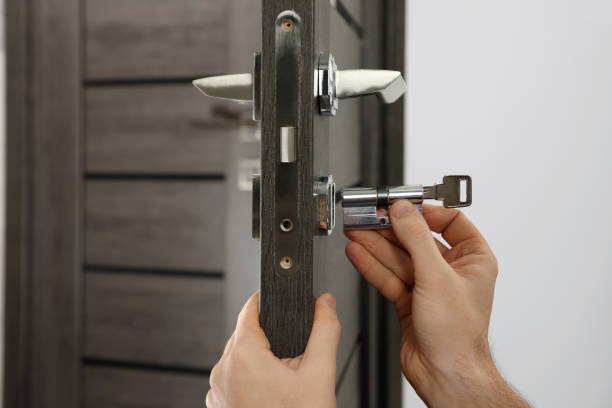
Test-fit the lock case into the mortise cavity before making any permanent attachments. It should slide in smoothly and sit completely flush with the door edge—if it binds or protrudes, additional chiseling may be necessary. Once satisfied with the fit, position the faceplate and mark screw holes, then drill pilot holes to prevent splitting. Secure the lock case with the provided screws, ensuring it’s perfectly aligned and level. Insert the cylinder through its hole, ensuring the cam (the rotating component) properly engages with the lock mechanism. From the door edge, tighten the cylinder retaining screw to hold it firmly in position. Install the connecting rods by sliding them through their channels, connecting them to the central lock case according to the manufacturer’s instructions—these typically attach via hooks or clips that must be properly seated for reliable operation.
Step 4 — Install the Connecting Rods
With the central lock case secured, focus on properly connecting the vertical rods that operate the top and bottom locking points. These rods must move freely within their channels without binding or catching. Carefully thread each rod through its designated channel, ensuring it reaches fully to the top or bottom locking point housing. Attach the rods to the central mechanism according to your lock model’s specific design—some use spring-loaded clips, others employ screw-fastened connections. Test the rod movement by manually operating the lock before proceeding. The rods should slide smoothly with no resistance; any binding indicates misalignment that must be corrected. Once connected, install the top and bottom locking point housings, ensuring they’re properly aligned with their respective connecting rods and that bolts extend and retract fully when the central mechanism is activated.
Step 5 — Fix and Align the Strikes (Gâches)
Strike plate installation is critical for security and smooth operation. Close the door and mark precisely where each bolt contacts the frame—accuracy here determines whether your lock functions properly. For the central strike, position the reinforced plate so the bolt enters its cavity without resistance, then mark and drill pilot holes before securing it with long screws that penetrate deep into the frame’s structural wood (not just the trim). Repeat this process for the top and bottom strikes, ensuring perfect alignment with their respective bolts. Many professional locksmiths use lipstick or chalk on the bolt ends, then close the door to transfer exact positioning marks to the frame. Once all strikes are installed, verify that each bolt fully extends into its strike without binding. If necessary, adjust strike plate positions slightly or file the bolt cavities for optimal alignment—even minor misalignment can cause operational issues over time.
Step 6 — Test and Adjust the Lock Mechanism
Before considering the installation complete, thoroughly test every function multiple times. From the exterior, lock and unlock the door several times, verifying that all three locking points engage and disengage smoothly. Repeat from the interior. Test the door’s resistance when locked—it should feel solidly secured with no play or movement. Check that the latch mechanism (the component that holds the door closed when not locked) operates smoothly and holds the door securely. Install the interior and exterior handles, ensuring they’re properly aligned and operate without excessive resistance. Make any necessary adjustments to strike plate positions, bolt throw distance, or connecting rod tension. Apply a small amount of graphite-based lubricant (never oil, which attracts dirt) to moving parts. Finally, test the lock under various conditions—with the door fully closed, slightly ajar, and under pressure—to ensure reliable performance in real-world conditions.
How Much Does It Cost to Replace a 3-Point Lock in France?
Understanding the investment required for a 3-point lock replacement helps homeowners budget appropriately while recognizing that security is worth prioritizing. Prices vary considerably based on lock type, brand quality, security rating, and whether you choose professional installation or attempt a DIY approach.
Average price ranges break down as follows: For a standard mortise 3-point lock from reputable brands like Vachette or Bricard, expect to pay between €150-400 for the lock mechanism alone. Entry-level models with basic security features start around €150-200, while mid-range locks with A2P certification and enhanced pick resistance typically cost €250-350. Premium models with highest security ratings, reinforced construction, and advanced cylinder technology can reach €400-600 or more. Surface-mounted 3-point locks generally cost less—approximately €100-250—due to simpler construction, though they offer less security and aesthetic integration. Carénée locks (locks with decorative housings that cover the door edge) represent the premium category, ranging from €300-800 depending on design complexity and security features.
Factors affecting cost extend beyond the lock itself. Brand reputation significantly impacts pricing—established manufacturers like Fichet, Bricard, and Vachette command premium prices but deliver proven reliability and longevity. Security certification levels (A2P*, A2P**, A2P***) directly correlate with cost, as higher ratings indicate greater resistance to break-in attempts during standardized testing. Lock complexity matters too; models with additional locking points, anti-snap cylinders, or smart lock integration cost considerably more. Labor charges for professional installation typically range from €100-250 depending on job complexity, door condition, and whether frame reinforcement is necessary. Emergency or after-hours service naturally commands premium rates. Additional costs may include door preparation work if existing mortise cavities don’t match new lock dimensions, frame reinforcement to support the locking system, or replacement handles and hardware.
Why a professional locksmith ensures better value becomes clear when considering the full picture. While DIY installation might save the labor cost upfront, mistakes can be expensive—incorrectly drilled mortises may require door replacement, misaligned strikes compromise security effectiveness, and improperly installed mechanisms wear prematurely. Professional locksmiths complete installations in a fraction of the time DIY attempts require, minimizing disruption to your home. They guarantee their work, provide proper security certification for insurance purposes, and ensure your lock performs optimally from day one. Most importantly, expert installation maximizes the security investment you’re making—even the best lock delivers minimal protection if installed incorrectly. When you factor in the potential costs of mistakes, security compromises, and time invested, professional installation often proves more economical while delivering complete peace of mind.
Why Choose Iron Metal Locksmith France?
When your home security depends on proper lock installation, choosing the right locksmith service makes all the difference between a job well done and potential vulnerabilities that could compromise your safety.
Expertise in high-security lock installations sets Iron Metal Locksmith France apart in a crowded market. Our certified technicians undergo continuous training in the latest locking technologies and installation techniques, ensuring they remain current with evolving security standards and manufacturer specifications. We specialize in complex mortise lock installations, working extensively with premium brands including Bricard, Vachette, Fichet, Picard, and other industry-leading manufacturers. Our team understands the nuances of different lock mechanisms, door materials, and frame types, allowing us to recommend and install the optimal security solution for your specific situation. Every installation is performed to exacting standards, with attention to alignment precision, structural integrity, and long-term reliability that amateur installations simply cannot match.
24/7 emergency locksmith service means you’re never stranded when lock problems occur at inconvenient times. Whether you’ve experienced a break-in, suffered lock failure, lost your keys, or face any security emergency, our rapid-response team is available around the clock, every day of the year. We understand that security concerns cannot wait for business hours, which is why we maintain fully-equipped mobile units ready to respond immediately. Our emergency services include lock repairs, replacements, temporary security measures, and complete installations performed to the same high standards as scheduled appointments. Fast response times minimize your vulnerability during security emergencies while ensuring you regain access to your property quickly and safely.
Coverage in Paris & Île-de-France provides convenient access to professional locksmith services throughout the region. Our service area encompasses Paris and all surrounding departments, ensuring that whether you’re in the city center, suburban communities, or outlying areas, expert help is just a phone call away. We maintain comprehensive knowledge of local building codes, insurance requirements, and security standards specific to the Île-de-France region, ensuring your installation meets all relevant regulations and qualifications.
Certified locksmiths for all major brands represents another key advantage. Our official certifications and partnerships with manufacturers like Bricard, Vachette, and Fichet mean we access genuine parts, receive factory training on latest models, and can provide manufacturer-backed warranties on installations. This certification ensures we’re qualified to maintain your lock’s security rating and insurance compliance—critical factors that uncertified installers cannot guarantee. When you choose Iron Metal Locksmith France, you’re investing in proven expertise, reliable service, and security you can trust.
Tips for Maintaining Your 3-Point Lock
Proper maintenance extends your lock’s lifespan, ensures reliable operation, and preserves the security investment you’ve made. A well-maintained 3-point lock should provide decades of trouble-free service with minimal intervention.
Cleaning and lubrication form the foundation of lock maintenance. Every six months, clean the lock mechanism, cylinder, and moving parts using a soft brush to remove dust and debris that accumulates over time. For the cylinder, use compressed air or a vacuum with a small attachment to clear out dirt without forcing particles deeper into the mechanism. Apply graphite-based lubricant specifically designed for locks—never use oil-based products like WD-40, which attract dirt and eventually create sticky residue that impairs function. Insert the graphite powder directly into the keyhole and work your key in and out several times to distribute it throughout the pins. For the mechanical components, apply a small amount of dry lubricant to the connecting rods, bolts, and pivot points. Wipe away excess to prevent accumulation. Clean the strike plates periodically, ensuring no debris prevents full bolt engagement.
Avoiding common issues requires attention to warning signs and preventive care. Sticking or difficult key operation indicates either dirt accumulation or worn pins—address this immediately with cleaning and lubrication before forcing the mechanism causes damage. Misalignment problems often develop gradually as doors settle or frames shift slightly; if you notice increased resistance when locking or hear scraping sounds, check that all bolts align properly with their strike plates. Seasonal changes affect wooden doors particularly, causing expansion and contraction that can impact alignment—minor adjustments to strike plate positions may be necessary. Never force a key that doesn’t turn smoothly, as this can break the key inside the cylinder or damage internal pins. Avoid hanging heavy objects on door handles, which can stress the mechanism and cause premature wear. Keep strike plates and the surrounding frame area in good condition, as damaged frames compromise the lock’s security regardless of the mechanism’s condition.
When to call a professional depends on recognizing issues beyond simple maintenance. Contact Iron Metal Locksmith France if you experience persistent sticking despite cleaning and lubrication, if keys become difficult to insert or turn even after treatment, or if the lock mechanism feels loose or exhibits unusual play. Any visible damage to the lock body, faceplate, or cylinder warrants immediate professional inspection. If bolts fail to extend fully or connecting rods appear bent or misaligned, expert diagnosis and repair are necessary. After any attempted break-in, even if apparently unsuccessful, have a professional inspect the entire locking system for hidden damage that could compromise future security. Regular professional inspections every few years provide peace of mind and catch developing problems before they become serious, ultimately saving money on more extensive repairs or premature replacement.
FAQ — Common Questions About 3-Point Locks
How does a mortise 3-point lock work?
A mortise 3-point lock operates through a central mechanism embedded in the door’s edge that simultaneously controls three separate locking points. When you turn the key, the central lock case extends a bolt into the frame while activating vertical connecting rods that push additional bolts into strike plates at the top and bottom of the door. This creates three points of resistance along the door’s height, distributing force and making the door exceptionally resistant to forced entry. The mortise design—where the lock body sits recessed within the door rather than surface-mounted—provides superior security by protecting the mechanism from tampering and creating a stronger structural integration with the door itself.
Can I install it myself?
While technically possible for experienced DIY enthusiasts with proper tools, 3-point mortise lock installation is considerably more complex than standard lock replacement. It requires precise drilling of the mortise cavity, accurate cylinder hole placement, proper connecting rod alignment, and exact strike plate positioning. Minor errors in any step can compromise security, cause operational problems, or necessitate costly door repairs. Unless you have carpentry experience, specialized tools (including appropriate drill bits, chisels, and measuring equipment), and confidence in your ability to achieve professional-level precision, hiring a certified locksmith is strongly recommended. Professional installation ensures optimal security, preserves door warranties, meets insurance requirements, and typically includes a workmanship guarantee—factors that justify the investment for most homeowners.
How to change the handle on a 3-point lock?
Changing handles on a 3-point lock is relatively straightforward compared to full lock installation. First, unscrew the interior handle’s fixing screws, which typically run through the door and secure both handles simultaneously. Carefully pull the interior handle away while supporting the exterior handle to prevent it from falling. Note the position of the square spindle that connects both handles through the lock mechanism. Install the new handles by threading the spindle through the lock case, ensuring it properly engages with the mechanism on both sides. Align the new handles, insert the fixing screws through the interior handle, and tighten gradually in a cross-pattern to ensure even seating. Test operation by turning the handles to verify the latch operates smoothly. If handles feel loose or don’t properly engage the latch, recheck spindle positioning and screw tightness.
What’s the lifespan of this type of lock?
A quality 3-point mortise lock from reputable manufacturers like Vachette or Bricard typically lasts 15-30 years with proper maintenance, and some premium models remain functional for even longer periods. Lifespan depends on several factors: usage frequency (residential locks experience less wear than commercial applications), maintenance quality (regular cleaning and lubrication significantly extend life), environmental exposure (exterior doors or humid conditions accelerate wear), and initial quality (premium locks with better materials and engineering outlast budget options). The cylinder is often the first component requiring replacement due to key wear, but this doesn’t necessitate replacing the entire lock mechanism. With appropriate care and periodic professional inspection, your 3-point lock represents a long-term security investment that protects your home for decades.
Conclusion
Installing a 3-point mortise lock represents one of the most effective security upgrades available for residential properties. The superior protection these systems provide—through multiple locking points, robust mortise construction, and advanced mechanisms—makes them an essential investment for homeowners serious about protecting their families and possessions. Premium brands like Vachette and Bricard have earned their reputation by delivering reliable, long-lasting security solutions that meet stringent French safety standards and insurance requirements.
While the installation process requires precision and expertise, the result is a dramatically enhanced security posture that deters opportunistic burglaries and provides genuine resistance against forced entry attempts. Whether you’re replacing an outdated lock, upgrading to meet insurance requirements, or reinforcing a new door installation, the benefits of a properly installed 3-point lock system extend far beyond simple peace of mind—they represent a tangible security investment that protects your home’s value and your family’s safety.
Remember that even the highest-quality lock delivers minimal protection if installed incorrectly. Proper alignment, secure frame mounting, and precise mechanism adjustment all require professional expertise to execute correctly. The security you’re investing in depends entirely on installation quality.
Contact Iron Metal Locksmith France today for expert consultation and professional installation of your 3-point mortise lock. Our certified technicians bring decades of combined experience, factory training on all major lock brands, and a commitment to delivering security solutions that perform flawlessly for years to come. Serving Paris and all of Île-de-France with 24/7 availability, we’re ready to upgrade your home security with precision installation and guaranteed workmanship. Don’t compromise on the safety of your home—trust the experts who understand that proper installation is just as important as the lock itself. Call us now to schedule your installation or emergency service.